Plan the walk before choosing the footwear
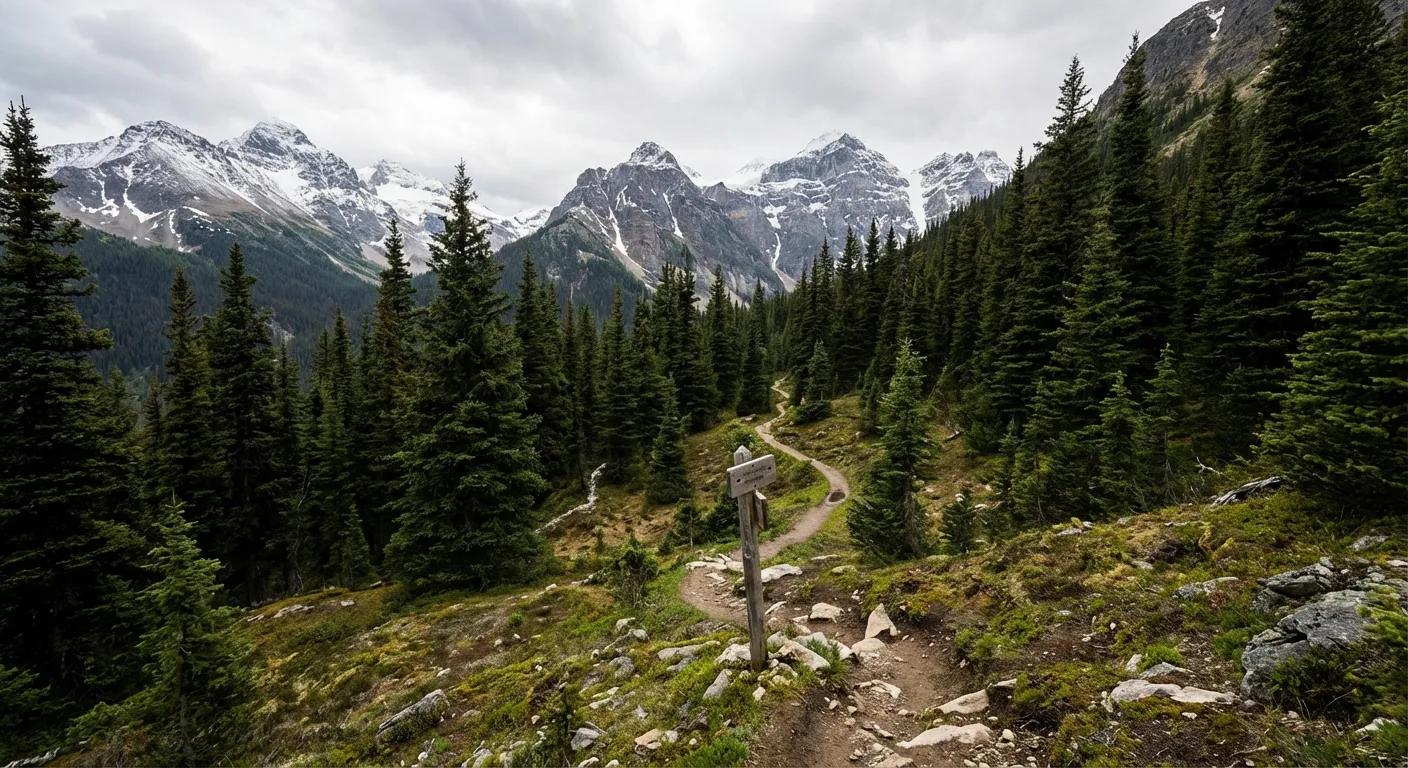
Illustrative scene. Check the actual equipment instructions and destination rules.
Use current information for the actual destination
A scenic photograph or an old route account cannot confirm whether a path is open or appropriate today. Start with the official information for the place you intend to visit, including access, closures, weather and the requirements of the route. The National Park Service hiking guidance recommends asking about conditions before heading out. Use that principle without assuming one park has the same rules as another. Record the date of the information and the questions still unanswered. This site does not invent trail inspections, live weather, walking times or personal visits to illustrate a guide.
Make a plan that includes the return
Consider the whole walk, not only the attractive destination. Include the return, available daylight, the group and the conditions you are prepared to manage. A distance alone does not establish how demanding a route will be or how long it will take for a particular person. Use suitable local information and leave room to change the plan. A general editorial guide cannot certify a route for a particular reader. The useful result is a clearer set of questions for the destination, not a promise based on a photograph.
Footwear is one part of preparation
Do not use a boot purchase as a substitute for navigation, appropriate clothing, water, food and the other equipment the trip requires. The National Park Service Ten Essentials material describes systems for preparation rather than a universal shopping basket. Read it together with the actual destination guidance and your activity. Check that you know how to use the equipment, not merely that it appears in a picture. An illustration of a rope, map or campfire is not permission to use it everywhere or evidence of a complete kit.